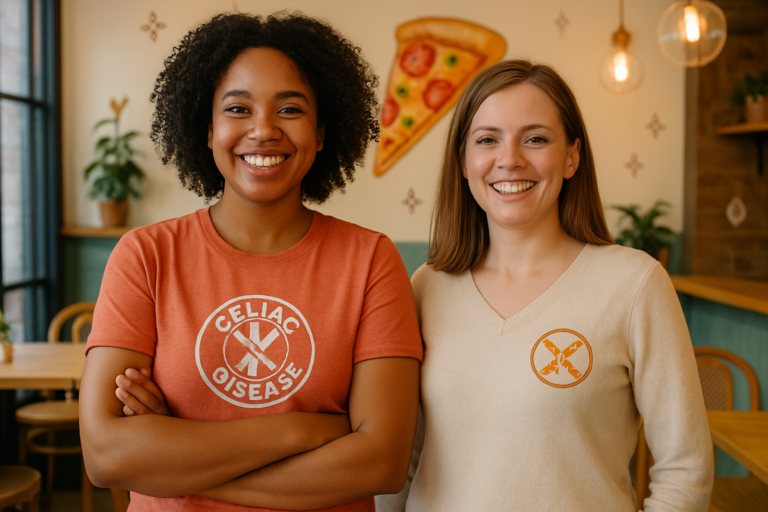

Living with celiac disease requires strict adherence to a gluten-free diet. Even tiny amounts of gluten—found in wheat, barley, and rye—can trigger an immune response, damaging the small intestine. One of the biggest challenges for people with celiac disease is avoiding cross-contamination, which occurs when gluten-free foods come into contact with gluten-containing ingredients or surfaces.
What Is Cross-Contamination?
Cross-contamination happens when gluten particles are unintentionally transferred to gluten-free foods. This can occur in various ways, including:
- Shared kitchen tools (cutting boards, toasters, utensils)
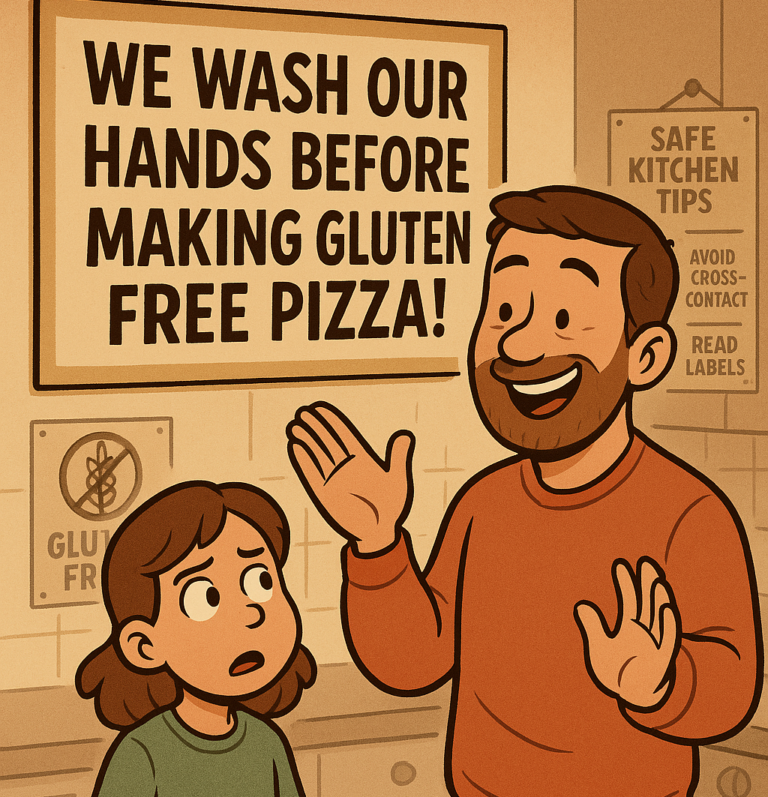
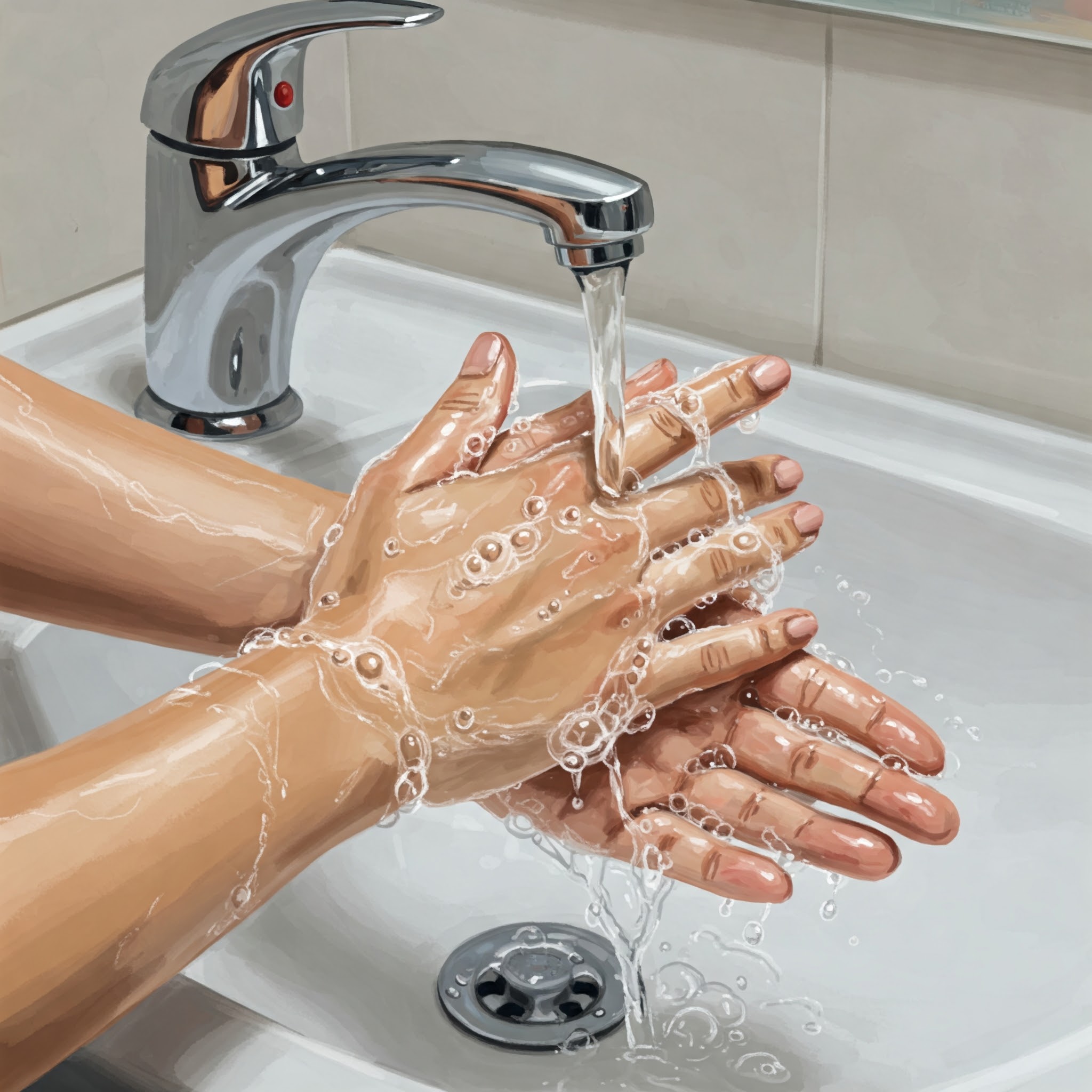
- Improper food handling (using the same gloves or hands for gluten and gluten-free foods)
- Bulk food bins (where gluten-free items may be contaminated by shared scoops)
- Restaurant cooking surfaces (grills, fryers, or pans used for both gluten and gluten-free meals)
- Even a crumb from regular bread can be enough to cause a reaction in someone with celiac disease.
How to Prevent Cross-Contamination at Home
If you or a loved one has celiac disease, taking precautions in the kitchen is essential:
- Dedicate Separate Utensils – Use different toasters, colanders, and cutting boards for gluten-free foods.
- Clean Thoroughly – Wash countertops, pans, and utensils with soap and water before preparing gluten-free meals.
- Store Food Safely – Keep gluten-free products in sealed containers away from gluten-containing foods.
- Avoid Double-Dipping – Use separate condiment jars to prevent crumbs from contaminating spreads like butter or jam.
Dining Out Safely with Celiac Disease
Eating at restaurants can be risky due to cross-contamination. To reduce the risk:
- Choose Certified Gluten-Free Restaurants – Some establishments have dedicated gluten-free kitchens.
- Ask Questions – Inquire about food prep methods and whether shared fryers are used.
- Opt for Simple Dishes – Grilled meats and steamed vegetables are less likely to be contaminated than complex meals.
Final Thoughts
For those with celiac disease, avoiding gluten isn’t just a dietary choice—it’s a medical necessity. Cross-contamination poses a serious risk, but with careful planning and awareness, it can be minimized. By taking proactive steps at home and when dining out, individuals with celiac disease can protect their health and enjoy safe, gluten-free meals.