


Dining out with celiac disease can be a challenge, but with the right precautions, you can enjoy a safe and delicious meal. Cross-contamination, hidden gluten, and uninformed staff can turn a pleasant experience into a health risk. Here are some practical tips to help you eat out safely while managing celiac disease.
1. Research Restaurants in Advance
Not all restaurants are celiac-friendly. Before heading out, check online review. Look for restaurants that explicitly offer gluten-free menus or have dedicated gluten-free preparation areas. Eating Out with Celiac Disease: Essential Tips to Reduce Risks
2. Call Ahead and Ask Questions
A quick phone call can save you from an unsafe dining experience. Ask:
- Do you have a gluten-free menu?
- Do you use separate cooking utensils and surfaces for gluten-free meals?
- Are staff trained in gluten-free food handling?
- If the staff seems unsure, it’s best to choose a different restaurant.
- Eating Out with Celiac Disease: Essential Tips to Reduce Risks
3. Communicate Clearly with Your Server
When ordering, clearly explain that you have celiac disease and need a strictly gluten-free meal. Emphasize that even small amounts of gluten can make you sick. Ask:
- Is the gluten-free food cooked in a shared fryer? (Avoid fried foods unless they have a dedicated fryer.)
- Are sauces and marinades gluten-free? (Many contain hidden gluten.)
4. Avoid High-Risk Foods
Some dishes are more likely to contain gluten or be cross-contaminated:
- Fried foods (unless in a dedicated fryer)
- Soups and sauces (often thickened with flour)
- Breaded or battered items
- Oats (unless certified gluten-free)
- Stick to naturally gluten-free options like grilled meats, steamed vegetables, and salads (but confirm no croutons or gluten-containing dressings).
5. Be Cautious About Cross-Contamination
Even if a dish is gluten-free, shared cooking surfaces, utensils, or condiments (like butter or mayo) can introduce gluten. Ask if the kitchen can:
- Use clean pans and utensils
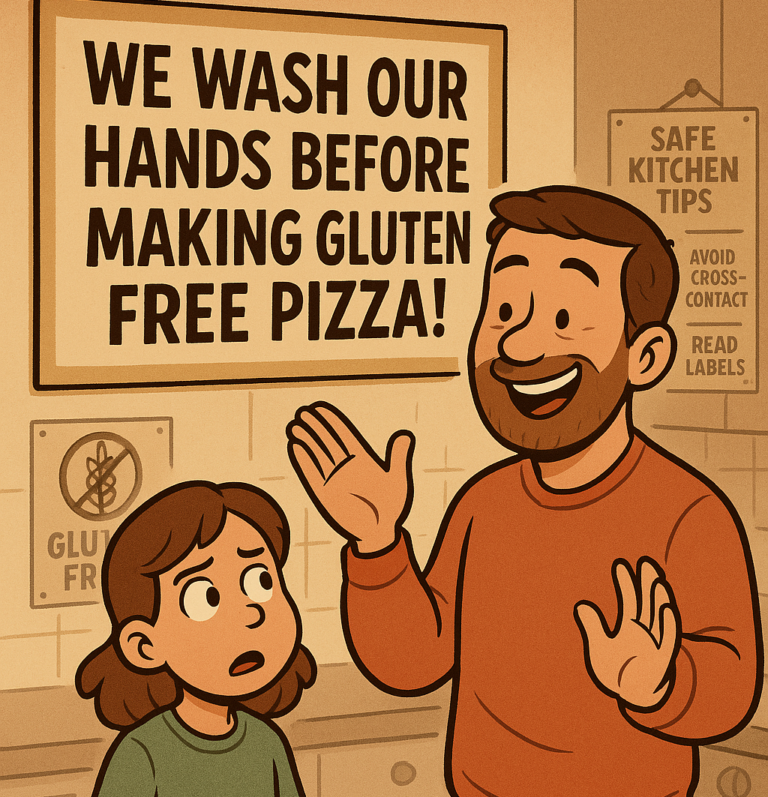
- Change gloves before handling your food
- Avoid placing gluten-free items near bread or flour
6. Bring Backup Snacks
If you’re unsure about the restaurant’s safety, pack a gluten-free snack just in case. This prevents you from going hungry if safe options are limited.
7. Trust Your Instincts
If something feels off—whether it’s the staff’s knowledge or the restaurant’s setup—it’s okay to walk away. Your health is more important than a meal out.
Final Thoughts
Eating out with celiac disease requires extra effort, but it’s possible with careful planning. By choosing the right restaurants, asking the right questions, and staying vigilant about cross-contamination, you can enjoy dining out without risking your health.