


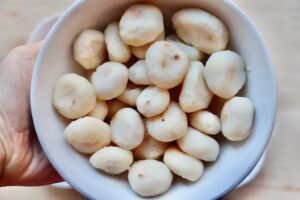
Water Chestnuts
Water chestnut flour (also called singhara flour) is used in Indian cooking and is naturally gluten-free
1. High in Fiber
They’re a good source of dietary fiber, which is helpful since many people with celiac disease don’t get enough fiber—especially early on in their gluten-free journey.
3. Rich in Antioxidants
Water chestnuts contain ferulic acid, an antioxidant that helps fight inflammation and supports immune health—super helpful for a healing gut.
4. Low in Calories, High in Nutrients
They’re low-calorie but contain potassium, manganese, copper, and B6, all of which support nerve function, metabolism, and energy—key for anyone dealing with autoimmune fatigue.
5. Hydrating
They have high water content, which helps with hydration and digestion—plus they add a satisfying feel to meals.
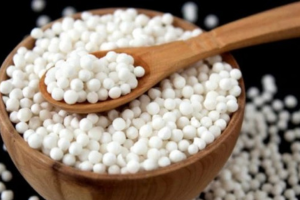
Sabudana
Sabudana is made from tapioca starch, which is extracted from the cassava root. It’s safe and soothing for sensitive guts.
1. Easy to Digest
Because it’s mostly carbohydrates, sabudana is light on the stomach and easy to digest, which is great when your gut’s been through the wringer with gluten damage.
2. Energy Booster
It’s high in simple carbs, giving you a quick energy hit—perfect if you’re dealing with celiac-related fatigue or need a pre/post-workout boost.
3. Mild on the System
Sabudana is bland and non-irritating, making it a go-to for people recovering from gluten exposure or managing other digestive flares.
4. Comforting
It’s a cozy comfort food that doesn’t mess with your gut.
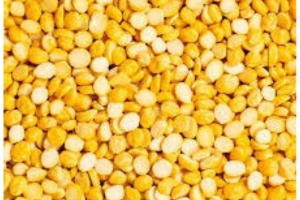
Chana Dal
Chana dal (split chickpeas) is 100% gluten-free and safe for people with celiac disease. It’s a legume, not a grain, so you can enjoy it without the stress of hidden gluten.
1. High in Protein
Packed with plant-based protein, chana dal helps with tissue repair and muscle building—key for celiacs who may be healing from nutrient malabsorption.
2. Rich in Fiber
It’s a great source of soluble fiber, which helps with digestion, blood sugar control, and keeping things regular. And let’s be real: good digestion is a big deal on the gluten-free grind.
3. Low Glycemic Index
Chana dal has a low GI, meaning it digests slowly and keeps you full longer without spiking blood sugar—a smart carb for stable energy.
4. Loaded with Nutrients
Chana dal brings in:
Folate – supports cell growth and repair
Iron – helps combat fatigue (many celiacs are low on this)
Zinc & Magnesium – for immune and gut health
B Vitamins – for energy and nervous system support
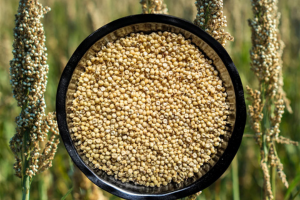
Jowar
If gluten’s been ghosting your gut health, jowar is here like:
“I got you, boo.” No wheat, no rye, no barley. Just pure, hearty grain that’s safe for every celiac warrior.
Think of jowar as gluten-free’s cooler, ancient cousin—showing up with nutrients and none of the drama.
1. Packed with Protein
Jowar’s got a solid amount of plant-based protein, which helps with:
Muscle repair
Feeling fuller, longer
Energy without the crash
It’s the kind of grain that works with your body, not against it.
2. Fiber-Rich & Gut-Loving
With more fiber than white rice or even quinoa, jowar helps:
Improve digestion
Keep your gut microbiome happy
Support regular you know what
For celiacs with cranky intestines, this is huge.
3. Good for the Heart & Blood Sugar
Jowar has a low glycemic index, so it keeps your blood sugar stable. Plus, it’s loaded with antioxidants, especially phenolic compounds that reduce inflammation—perfect for healing guts and tired bodies.
4. Naturally Rich in Iron, Magnesium & B Vitamins
Celiacs are often low on:
Iron (because of absorption issues)
Magnesium (hello, fatigue + cramps)
B Vitamins (your brain’s fuel)
Jowar sneaks those into your diet, effortlessly.
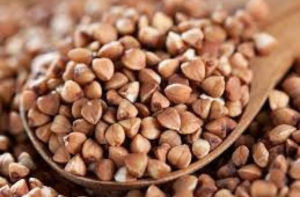
Buckwheat (Kuttu)
Despite the name, buckwheat has ZERO wheat.
Yep—Kuttu is naturally gluten-free, and it’s not even a grain. It’s actually a seed from a flowering plant, which makes it perfect for people with celiac.
1. 100% Naturally Gluten-Free
Safe for celiacs, no hidden gluten, no sketchy crossbreeds.
Eat it as kuttu flour (atta) in rotis, cheelas, or pancakes—without worrying about gut sabotage.
2. Rich in Protein
It’s a complete protein (yes, like quinoa!)—meaning it has all 9 essential amino acids. That’s huge, especially if you’re eating less meat or recovering from nutrient loss due to gluten damage.
3. High in Fiber
Kuttu supports healthy digestion, helps regulate bowel movements, and keeps your gut lining happy.
For celiacs dealing with digestive chaos, this is major relief.
4. Heart & Blood Sugar Friendly
Buckwheat is packed with:
Rutin (a powerful antioxidant that protects blood vessels)
Magnesium (supports heart health and calms inflammation)
Low Glycemic Index (keeps blood sugar stable)
5. Nutrient Dense
Celiacs often deal with nutrient deficiencies, but kuttu brings the goods:
Iron (to fight off anemia)
Zinc (for immunity)
B Vitamins (for energy + nerve function)
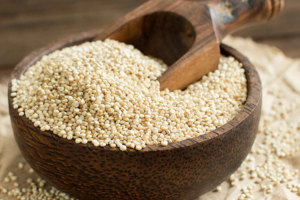
Quinoa
Quinoa is technically a seed, not a grain—making it a pseudo-cereal (sounds fancy, tastes amazing).
1. Gluten-Free
Safe, clean, and free from gluten drama. No hidden wheat, no surprise gut attacks. Just pure, gentle nutrition.
2. Complete Protein
Like kuttu, quinoa is one of the rare plant-based foods that’s a complete protein—meaning it contains all 9 essential amino acids.
Perfect if you’re plant-based or healing from gluten-triggered inflammation and muscle breakdown.
3. High in Fiber (Bye-Bye Bloating)
Quinoa is rich in soluble and insoluble fiber—so it:
Aids digestion
Supports a healthy gut lining
Keeps things moving naturally
Which = major relief for anyone with celiac symptoms.
4. Loaded with Micronutrients
Iron – Boosts energy + helps with anemia
Magnesium – Soothes nerves, muscles, and brain fog
Zinc – Supports immune and gut healing
Folate & B Vitamins – Essential for cell repair and brain function
Antioxidants – Like quercetin and kaempferol, to fight inflammation
Basically, quinoa shows up like a multivitamin in food form.
Item #1

Item #2
Item #3
Item #1